Emma Reed
April 20, 2026

Paper Diary vs App Tracking for Headaches: A Practical Comparison Based on Adherence and Insight
Format: comparison-in-prose
Speed and capture reliability
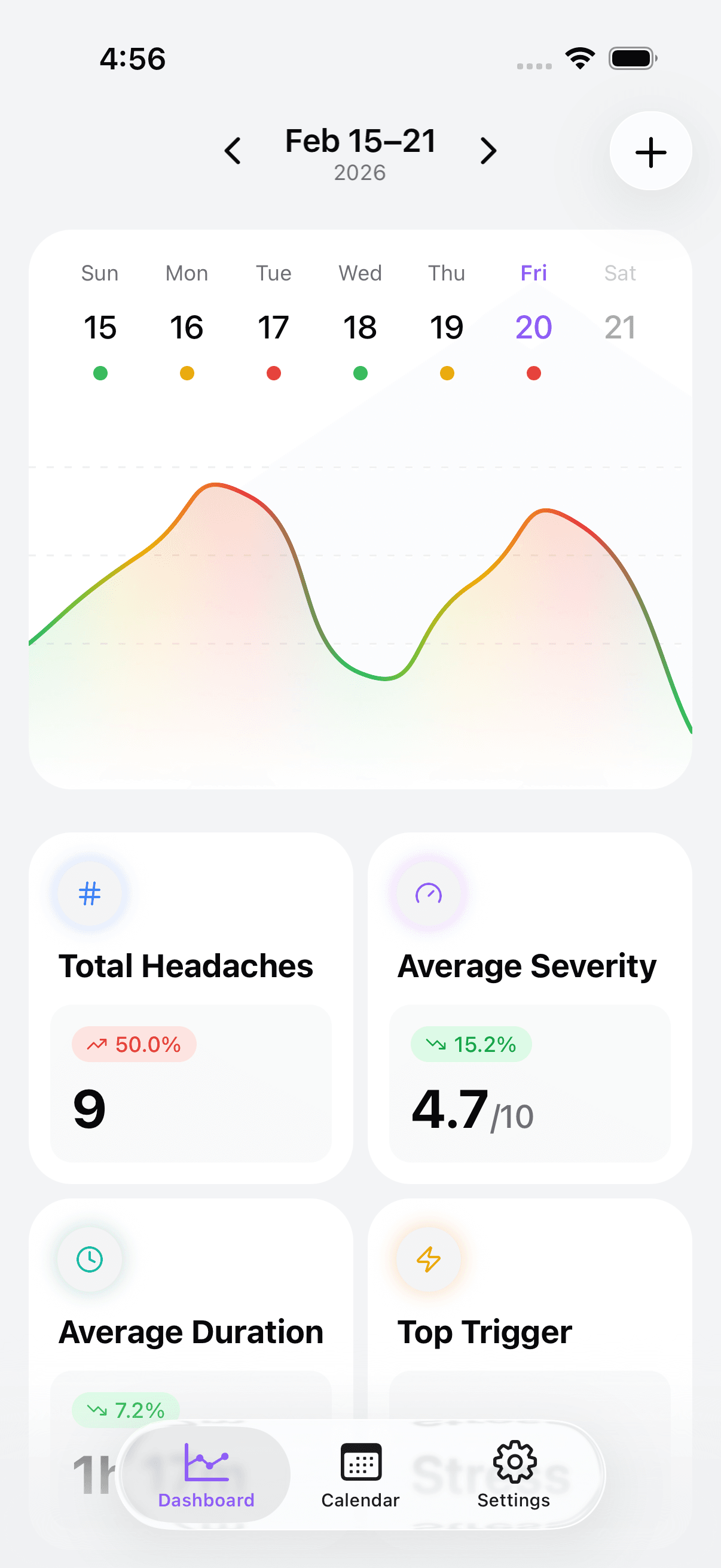
Paper can be faster in low-connectivity settings and feels flexible. Apps are better for time stamps, reminders, and trend visualization.
If you miss entries often, reminders usually outperform memory. If notifications annoy you into disabling the tool, paper may win through lower resistance.
Data structure and analysis
Paper encourages narrative detail but can make pattern extraction harder. Apps constrain inputs, which improves comparability across days.
Structured data is not glamorous, but it is easier to analyze and discuss with clinicians.
Behavior change support
Apps can automate prompts for breaks, hydration, and check-ins. Paper depends on external habit loops.
The best system is the one you will still use during stressful weeks.
Privacy and trust
Paper stays physically local but can be lost. Apps vary in privacy controls and export options.
Review your comfort level and choose intentionally rather than by default.
Hybrid model that often works best
Use quick app check-ins for structured data and a weekly paper reflection for context and lessons.
This balances signal quality with emotional processing, reducing burnout from over-tracking.
How to decide in seven days
Run a one-week trial with each method using identical core fields. Compare completion rate, time per entry, and clarity of weekly insights.
Pick the method with better adherence, not the method that looks more sophisticated.
Medical safety note
This article is educational and does not diagnose, treat, or cure disease. Seek urgent care for thunderclap headache, fainting, weakness, numbness, new confusion, trouble speaking, seizure, fever with stiff neck, vision loss, or headache after head injury.
Applied example
A consultant thought weather pressure was the dominant trigger, but tracking showed severe days clustered when sleep dropped below baseline and meetings removed meal breaks. By securing a lunch anchor and short transition pauses, severe disruptions decreased even though weather remained volatile.
A teacher logged only pain intensity and felt stuck. After adding wake time and longest uninterrupted screen/marking block, vulnerability windows became obvious. Earlier preventive actions improved classroom function without dramatic routine overhauls.
A shift worker used fixed checkpoints and a short weekly review. Consistency improved, and clinician visits became more productive because patterns were presented clearly and tied to interventions tried.
Applied example
A consultant thought weather pressure was the dominant trigger, but tracking showed severe days clustered when sleep dropped below baseline and meetings removed meal breaks. By securing a lunch anchor and short transition pauses, severe disruptions decreased even though weather remained volatile.
A teacher logged only pain intensity and felt stuck. After adding wake time and longest uninterrupted screen/marking block, vulnerability windows became obvious. Earlier preventive actions improved classroom function without dramatic routine overhauls.
A shift worker used fixed checkpoints and a short weekly review. Consistency improved, and clinician visits became more productive because patterns were presented clearly and tied to interventions tried.
Applied example
A consultant thought weather pressure was the dominant trigger, but tracking showed severe days clustered when sleep dropped below baseline and meetings removed meal breaks. By securing a lunch anchor and short transition pauses, severe disruptions decreased even though weather remained volatile.
A teacher logged only pain intensity and felt stuck. After adding wake time and longest uninterrupted screen/marking block, vulnerability windows became obvious. Earlier preventive actions improved classroom function without dramatic routine overhauls.
A shift worker used fixed checkpoints and a short weekly review. Consistency improved, and clinician visits became more productive because patterns were presented clearly and tied to interventions tried.
Applied example
A consultant thought weather pressure was the dominant trigger, but tracking showed severe days clustered when sleep dropped below baseline and meetings removed meal breaks. By securing a lunch anchor and short transition pauses, severe disruptions decreased even though weather remained volatile.
A teacher logged only pain intensity and felt stuck. After adding wake time and longest uninterrupted screen/marking block, vulnerability windows became obvious. Earlier preventive actions improved classroom function without dramatic routine overhauls.
A shift worker used fixed checkpoints and a short weekly review. Consistency improved, and clinician visits became more productive because patterns were presented clearly and tied to interventions tried.
Applied example
A consultant thought weather pressure was the dominant trigger, but tracking showed severe days clustered when sleep dropped below baseline and meetings removed meal breaks. By securing a lunch anchor and short transition pauses, severe disruptions decreased even though weather remained volatile.
A teacher logged only pain intensity and felt stuck. After adding wake time and longest uninterrupted screen/marking block, vulnerability windows became obvious. Earlier preventive actions improved classroom function without dramatic routine overhauls.
A shift worker used fixed checkpoints and a short weekly review. Consistency improved, and clinician visits became more productive because patterns were presented clearly and tied to interventions tried.
Applied example
A consultant thought weather pressure was the dominant trigger, but tracking showed severe days clustered when sleep dropped below baseline and meetings removed meal breaks. By securing a lunch anchor and short transition pauses, severe disruptions decreased even though weather remained volatile.
A teacher logged only pain intensity and felt stuck. After adding wake time and longest uninterrupted screen/marking block, vulnerability windows became obvious. Earlier preventive actions improved classroom function without dramatic routine overhauls.
A shift worker used fixed checkpoints and a short weekly review. Consistency improved, and clinician visits became more productive because patterns were presented clearly and tied to interventions tried.
Applied example
A consultant thought weather pressure was the dominant trigger, but tracking showed severe days clustered when sleep dropped below baseline and meetings removed meal breaks. By securing a lunch anchor and short transition pauses, severe disruptions decreased even though weather remained volatile.
A teacher logged only pain intensity and felt stuck. After adding wake time and longest uninterrupted screen/marking block, vulnerability windows became obvious. Earlier preventive actions improved classroom function without dramatic routine overhauls.
A shift worker used fixed checkpoints and a short weekly review. Consistency improved, and clinician visits became more productive because patterns were presented clearly and tied to interventions tried.
Applied example
A consultant thought weather pressure was the dominant trigger, but tracking showed severe days clustered when sleep dropped below baseline and meetings removed meal breaks. By securing a lunch anchor and short transition pauses, severe disruptions decreased even though weather remained volatile.
A teacher logged only pain intensity and felt stuck. After adding wake time and longest uninterrupted screen/marking block, vulnerability windows became obvious. Earlier preventive actions improved classroom function without dramatic routine overhauls.
A shift worker used fixed checkpoints and a short weekly review. Consistency improved, and clinician visits became more productive because patterns were presented clearly and tied to interventions tried.
Applied example
A consultant thought weather pressure was the dominant trigger, but tracking showed severe days clustered when sleep dropped below baseline and meetings removed meal breaks. By securing a lunch anchor and short transition pauses, severe disruptions decreased even though weather remained volatile.
A teacher logged only pain intensity and felt stuck. After adding wake time and longest uninterrupted screen/marking block, vulnerability windows became obvious. Earlier preventive actions improved classroom function without dramatic routine overhauls.
A shift worker used fixed checkpoints and a short weekly review. Consistency improved, and clinician visits became more productive because patterns were presented clearly and tied to interventions tried.
Applied example
A consultant thought weather pressure was the dominant trigger, but tracking showed severe days clustered when sleep dropped below baseline and meetings removed meal breaks. By securing a lunch anchor and short transition pauses, severe disruptions decreased even though weather remained volatile.
A teacher logged only pain intensity and felt stuck. After adding wake time and longest uninterrupted screen/marking block, vulnerability windows became obvious. Earlier preventive actions improved classroom function without dramatic routine overhauls.
A shift worker used fixed checkpoints and a short weekly review. Consistency improved, and clinician visits became more productive because patterns were presented clearly and tied to interventions tried.
Applied example
A consultant thought weather pressure was the dominant trigger, but tracking showed severe days clustered when sleep dropped below baseline and meetings removed meal breaks. By securing a lunch anchor and short transition pauses, severe disruptions decreased even though weather remained volatile.
A teacher logged only pain intensity and felt stuck. After adding wake time and longest uninterrupted screen/marking block, vulnerability windows became obvious. Earlier preventive actions improved classroom function without dramatic routine overhauls.
A shift worker used fixed checkpoints and a short weekly review. Consistency improved, and clinician visits became more productive because patterns were presented clearly and tied to interventions tried.
Applied example
A consultant thought weather pressure was the dominant trigger, but tracking showed severe days clustered when sleep dropped below baseline and meetings removed meal breaks. By securing a lunch anchor and short transition pauses, severe disruptions decreased even though weather remained volatile.
A teacher logged only pain intensity and felt stuck. After adding wake time and longest uninterrupted screen/marking block, vulnerability windows became obvious. Earlier preventive actions improved classroom function without dramatic routine overhauls.
A shift worker used fixed checkpoints and a short weekly review. Consistency improved, and clinician visits became more productive because patterns were presented clearly and tied to interventions tried.
Take control of your headaches. Start tracking today.